



Products · Winches
Base-Mounted Winches
A base-mounted winch bolts to a floor, wall, deck, skid or vehicle and pulls, positions or tensions a load with wire rope on a drum. Every Columbia winch is a base-mounted drum winch: AC electric and pneumatic to 40,000 lbs on a single line, engineered and built to order in Beaverton, Oregon since 1983.
What is a base-mounted winch?
A base-mounted winch is fixed to a foundation, structure or vehicle and moves a load by winding wire rope onto a drum. The load stays supported by something else — rails, rollers, wheels, a slope, the ground or water — and the winch supplies the pull to move it, position it or hold tension on it.
That is the difference from a hoist. A winch brake is generally not sized to absorb the energy of lowering a suspended load, a winch often has a freespool to pay out line, and winch rope is smaller for the same capacity because it is not meant to suspend a load. If the job lifts, specify a base-mounted hoist.
More detail: Winches Versus Hoists.
What base-mounted winches do
Pulling, positioning and tensioning jobs we build Columbia winches for.
Railcar and cart positioning
Move railcars, kiln carts and transfer carts along track. Line pull comes from rolling resistance, grade and track curvature, not the car's weight alone.
Barge, vessel and mooring
Barge positioning, spud and mooring winches on decks and docks, with marine coatings and corrosion-resistant components.
Conveyor and belt tensioning
Take-up winches that hold tension on conveyor belts, and belt-splicing and installation winches.
Pulling pipe, cable and equipment
Pipe bursting, pipe spooling, heavy equipment recovery and line sagging, including tractor-mounted packages.
Gates, doors and process equipment
Flood gates, compactor and scraper drives, dies and molds: repeat pulls in plant and civil work, with travel limiting and remote controls as needed.
Hazardous and remote sites
Pneumatic winches run where electric power is unsafe or unavailable; explosion-proof electric units are available for classified areas.
Columbia base-mounted winch series
Maximum rated line pull is single line, first layer, for the largest standard model in each series. Line pull falls and line speed rises as rope builds up on the drum; each series page has the full ratings, drawings and downloads.
| Series | Max rated pull | Motor / power | Mounting and notes |
|---|---|---|---|
| AC electric base-mounted winches | |||
| WD Series | 2,400 lbs | 0.5 HP · 115/230 V 1Ø | Installs at any angle; three drum sizes |
| W2G Series | 11,000 lbs | 1 – 3 HP · 1Ø or 3Ø | Quick-mount brackets, drum guard; configure online |
| W2K Series | 18,000 lbs | 1 – 3 HP · 1Ø or 3Ø | Installs at any angle; to 88 FPM on a full drum |
| WN Series | 20,000 lbs | 3 – 10 HP · 1Ø or 3Ø | Four-bolt base mount; oil bath for continuous duty |
| WT Series | 20,000 lbs | 2 – 10 HP · 1Ø or 3Ø | Manual freespool standard; four-bolt base mount |
| WR Series | 40,000 lbs | 3 – 10 HP · 230/460 V 3Ø | Four-bolt base mount; oil bath for continuous duty |
| Pneumatic base-mounted winches | |||
| WD Series | 2,700 lbs | Vane · 50–80 psi, 70 SCFM | Installs at any angle; slopes to 30% |
| W2G Series | 10,000 lbs | Vane · 90 psi, 70–160 SCFM | Installs at any angle |
| W2K Series | 12,000 lbs | Vane · 90 psi, 110–160 SCFM | Installs at any angle; to 76 FPM |
| WN Series | 20,000 lbs | 6.25 HP vane · 80 psi, 215 SCFM | Base mount; gearmotor rotates in 90° increments |
| WR Series | 40,000 lbs | 6.25 or 12.5 HP vane · 70–80 psi | Base mount; gearmotors rotate in 90° increments |
Need more pull? Rig multiple parts of line or ask about a custom winch. Also available: DC electric and hydraulic winches, capstans for soft line, and self-contained systems.
Mounting a base-mounted winch
How each series mounts, from the series data:
- Any angle: Columbia AC winches mount on a floor, wall or ceiling; the WD, W2K and pneumatic WD, W2G and W2K are listed to install at any angle.
- Four-bolt base mount on the WN, WT and WR, with the motor rotatable in 90° increments to clear the structure.
- Quick-mount brackets and base plates: quick-mount brackets for the W2G (configure them on the W2G page) and the HD/WD frame, base plates for HD/WD, and print-to-scale templates.
- Drum and line control: drum guards, tension plates and rollers, roller fairleads and freespool (manual standard on WT, pneumatic optional).
- Spooling: AutoAdvance line spoolers, cable tensioners and lead sheaves; keep the fleet angle between 1/2° and 1-1/2°.
- 3D models: configure a W2G and download its STEP model in the configurator.
Mounting templates & guides
Print templates at 100% scale. More in Resources.
- HC/HD/WD Series Mounting TemplateDoc 51C · print at 100%
- HD/WD Series Base Plate Mounting GuidelinesDoc 42B · PDF
- HD/WD Series Quick-Mount BracketsDoc 54C · PDF
- HF/WF/HG/WG Series Mounting TemplateDoc 52E · print at 100%
- HF/WF/HG/WG/WK Series Quick-Mount TemplateDoc 53F · PDF
- Motor Position GuideDoc 112B · how to call out motor position
- Right Angle Gearbox Position GuideDoc 78A · PDF
Standards for base-mounted winches
ASME B30.7 is now titled Winches; earlier editions were titled Base-Mounted Drum Hoists. The Winch & Hoist Selector sizes winch rope to one of two rules:
| Standard | Design factor | Min. D:d | Freeboard |
|---|---|---|---|
| ASME B30.7 | 3.5:1 | 15:1 | 1/2" |
| EN 14492-1 / general | 2:1 | 10:1 | 1.5 × rope dia. |
Design factor = rope minimum breaking strength ÷ line pull. D:d = drum core diameter ÷ rope diameter.
Never for people. Columbia winches and hoists are not to be used to lift or move people, or to lift anything over people.
Sizing a base-mounted winch
One-page guides to the numbers we ask for, or let the selector do the math for every Columbia model.
Base-mounted winches at work: Solution Spotlight
Jobs we’ve engineered and built around a base-mounted Columbia winch.
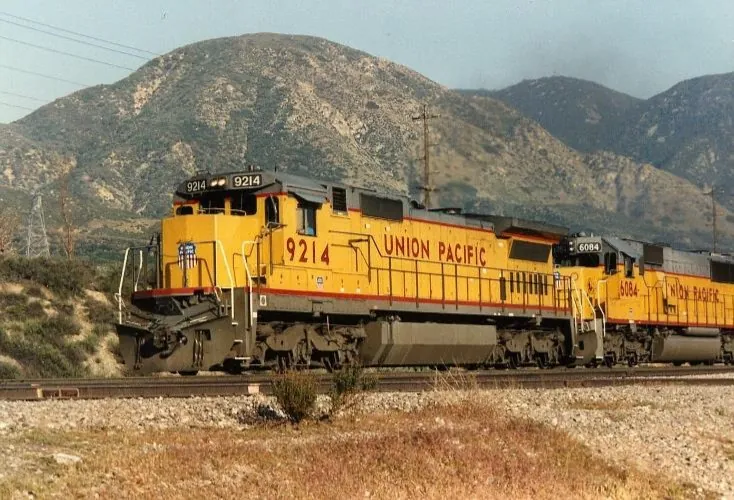
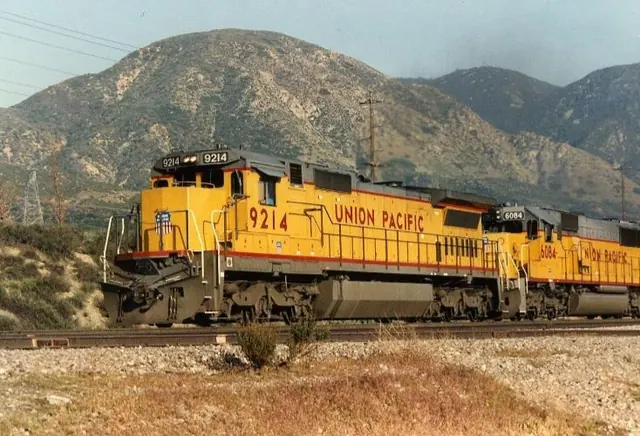 Solution Spotlight · WinchRailcar Positioning Winch SystemRead the story →
 Solution Spotlight · WinchBarge Positioning Winch SystemRead the story →
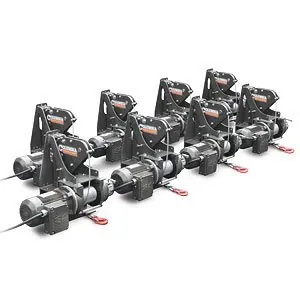 Solution Spotlight · WinchConveyor Belt Tensioning WinchesRead the story →
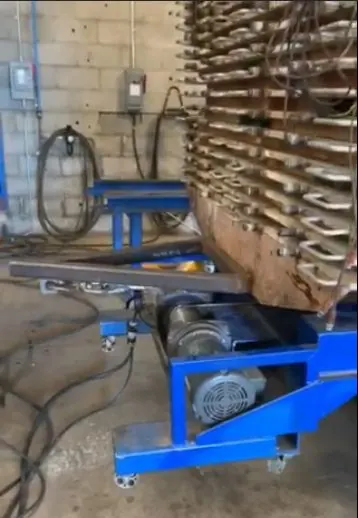 Solution Spotlight · WinchKiln Winch Positions Lumber CartRead the story →
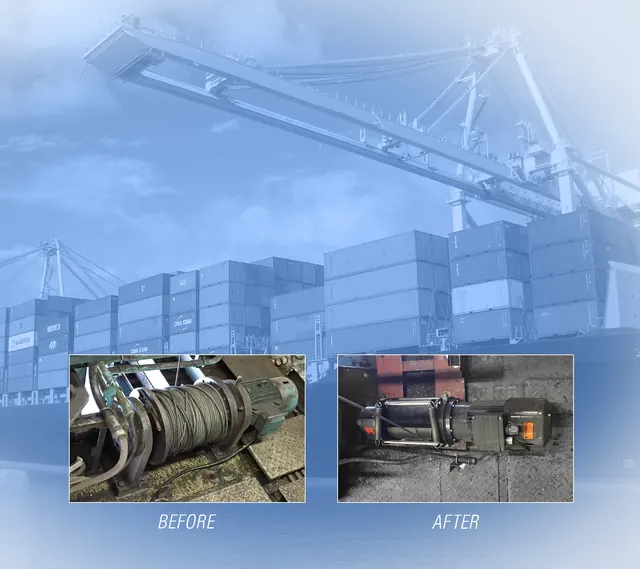 Solution Spotlight · WinchLarge Vessel Mooring WinchRead the story →
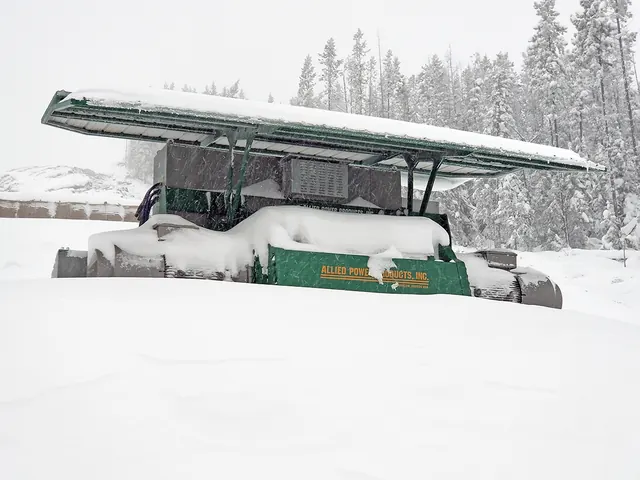 Solution Spotlight · WinchHeavy Equipment Recovery Winch SystemsRead the story →
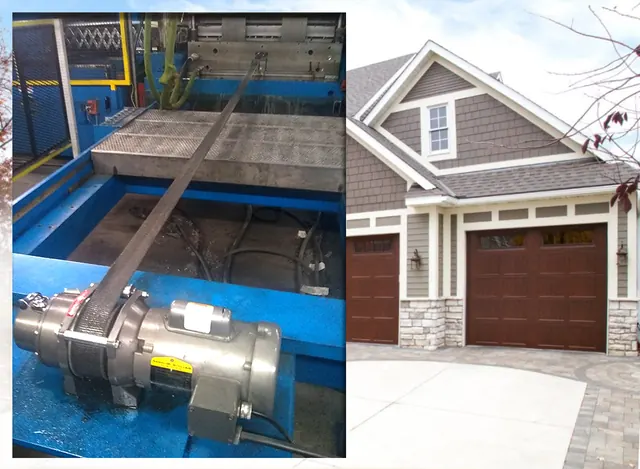 Solution Spotlight · WinchDie WinchRead the story →
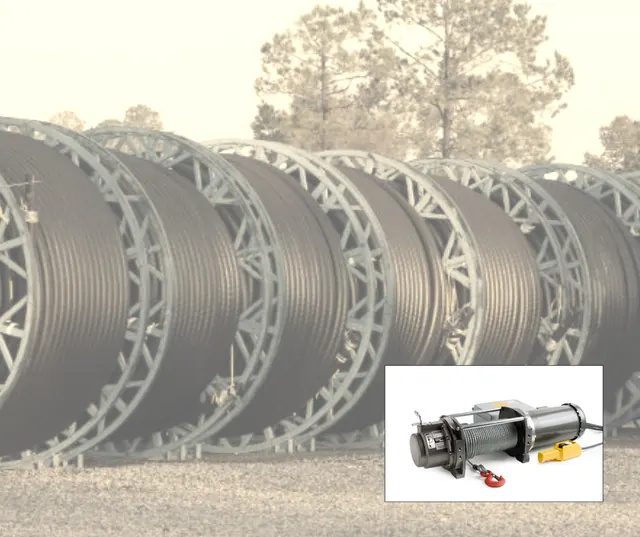 Solution Spotlight · WinchPipe Spooling WinchRead the story →
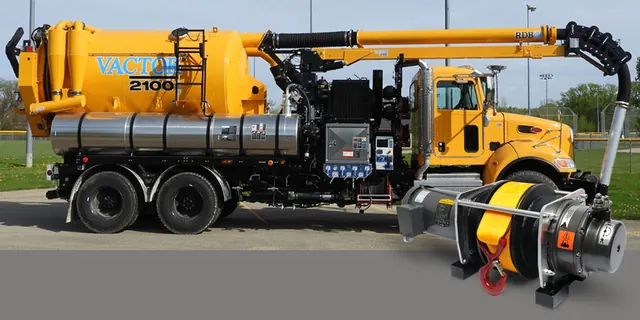 Solution Spotlight · WinchBoom Assembly WinchRead the story →
Base-mounted winch questions
What is a base-mounted winch?
A base-mounted winch is a drum winch bolted to a floor, wall, deck, skid, vehicle or other structure. It pulls, positions or tensions a load with wire rope wound on its drum, often through lead sheaves. Every Columbia winch is a base-mounted drum winch, AC electric or pneumatic, to 40,000 lbs on a single line.
What is the difference between a base-mounted winch and a base-mounted hoist?
A hoist is designed to lift and lower a suspended load: its brake is sized to absorb the energy of lowering, its drum core is larger and its rope is heavier for the same capacity. A winch is designed to pull a load and, depending on its design, hold it; it often has a freespool. If the job lifts a suspended load, specify a base-mounted hoist.
What wire rope design factor do Columbia winches use?
The Winch & Hoist Selector offers two winch standards: ASME B30.7, with a 3.5:1 rope design factor, 15:1 minimum D:d and 1/2" of freeboard; and EN 14492-1 / general, with a 2:1 design factor, 10:1 D:d and 1.5 rope diameters of freeboard.
Can a base-mounted winch be mounted on a wall, ceiling or vehicle?
Yes. Columbia AC winches mount at any angle, on a floor, wall or ceiling; the WD, W2K and pneumatic WD, W2G and W2K are listed to install at any angle. The WN, WT and WR use a four-bolt base mount with a motor that rotates in 90° increments. For tractors and utility vehicles, see tractor winch packages.
How far should the winch be from the first sheave?
Far enough to keep the fleet angle between 1/2° and 1-1/2°. As a rule of thumb, the minimum distance in feet to a fixed sheave equals the drum width in inches: a 12" wide drum needs at least 12 ft. If you can't get the distance, use a narrower drum or an AutoAdvance line spooler.
What size base-mounted winch do I need?
Start with the line pull: the force to move the load, which is its weight times the grade resistance plus the coefficient of friction, not the weight alone. Railcars add rolling resistance and track curvature. Then line speed, rope length and duty cycle. The Line Pull and railcar line pull guides show the math, and the Winch & Hoist Selector checks every Columbia model.
Tell us about the pull
Send the load, distance, speed and power you have. An engineer will come back with questions or a price range.